


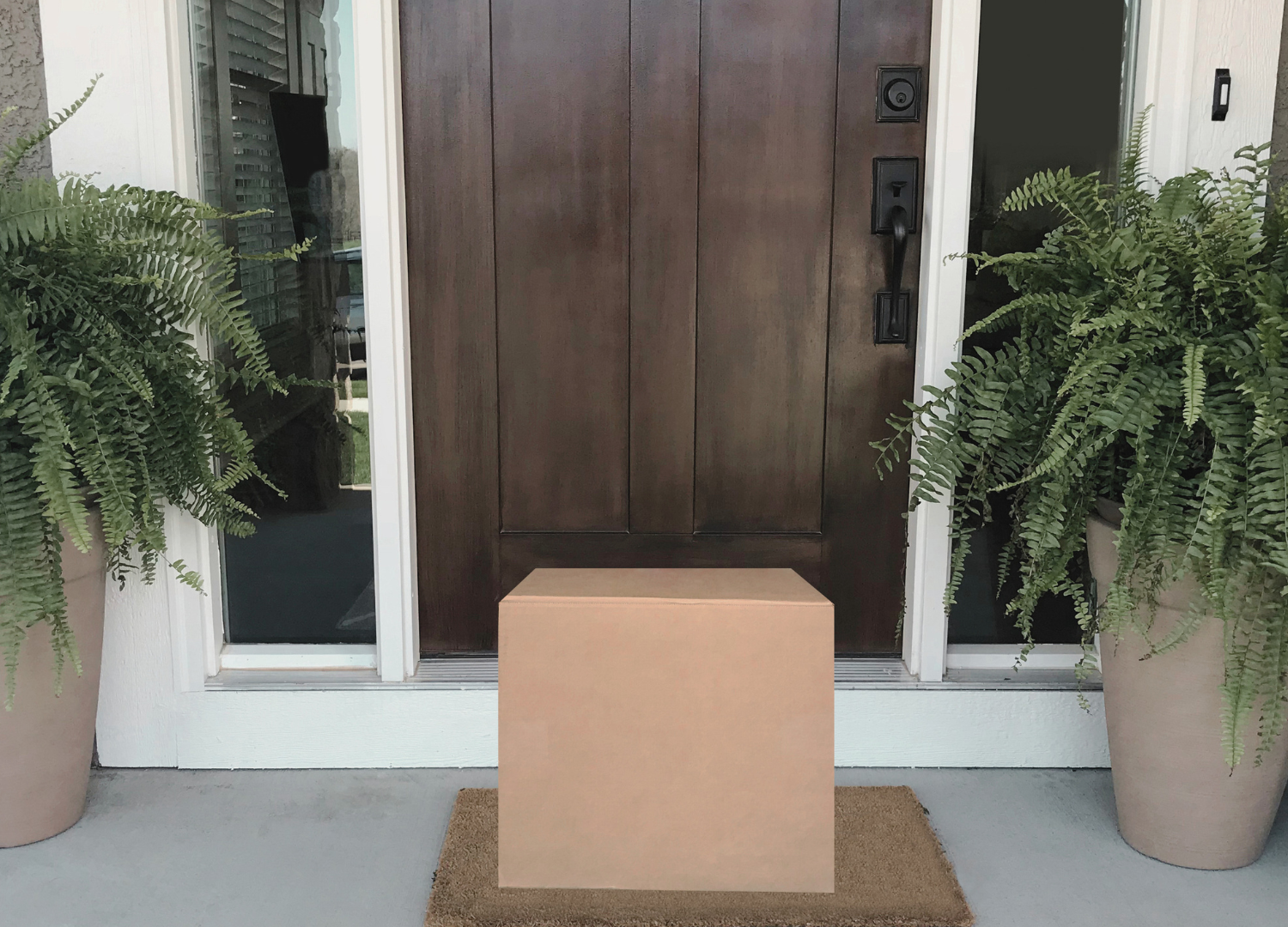







Recently, my son’s head of school made a simple request of the parents: Please stop sending so many Amazon packages to campus.
The volume was overwhelming the mailroom. The boxes and packaging were creating enormous amounts of waste. When our kids want something, most can simply click a button and have it show up at their door, sometimes within hours.
But remember When Getting Something Took a Little Work?
Think about how different that is from when many of us were their age.
When I was in college, if I decided I “needed” something, there was usually a process involved. Where could I get it? Was there a bus route there? Was there something else I could use instead? Could I borrow it from someone?
Having to wait often gave us time to realize we actually didn’t need it after all.
Today’s emerging workforce has grown up in a very different world. Food arrives with a few taps. Entertainment is available on demand. Answers are immediate. Purchases can arrive the same day.
There’s simply much less friction between wanting something and getting it.
When This Shows Up at Work
We’d be mistaken to think this isn’t affecting the way our youngest employees show up at work.
Gen Z, like every generation, has been shaped by the world they grew up in. Their experiences have influenced their expectations, habits, and behaviors, just as ours influenced us.
Here are three common ways I see this playing out and, more importantly, what managers can do to support them.

1. Expecting Earlier Advancement
Younger employees may start asking about the next role, promotion, or opportunity sooner than previous generations might expect. Ambition is a good thing. But they may need help understanding what happens between wanting that next opportunity and being ready for it.
Supportive manager action: Make the path visible. Be clear about the skills, experiences, and results they need to demonstrate to move forward. Give them something they can work toward now while helping them understand that meaningful career growth takes time.
2. Seeking Quick Answers to Challenges
When answers have always been a search, text, or click away, it’s natural to look for the fastest path to a solution. At work, that may mean turning to a manager for an answer before spending much time wrestling with the problem independently.
Supportive manager action: Resist the urge to immediately provide the answer. Ask, “What have you tried?” or “What options do you see?” Giving them a little space to work through the problem creates productive friction and helps build problem-solving skills, resourcefulness, and confidence.
3. Valuing Frequent Feedback
Gen Z has grown up surrounded by immediate information and feedback. Waiting for a quarterly check-in or annual review can feel like a very long time, and they may look to their managers more frequently for confirmation that they’re on the right track.
Supportive manager action: Don’t save feedback for formal reviews or scheduled check-ins. Look for small opportunities to give it in the natural flow of work. A quick, “You handled that client question really well,” “Your preparation made that meeting much more productive,” or “For the next one, let’s make the recommendation a little clearer” gives employees both positive and constructive feedback when it’s most relevant. These small, frequent touchpoints help younger employees understand what’s working, what needs adjusting, and where they’re making progress.
A Little Productive Friction Can Be a Good Thing
We can’t, and probably wouldn’t want to, put all the friction back into the world they grew up in.
But as leaders, we can create a little productive friction. Specifically to give our emerging employees opportunities to build patience, problem-solving, resourcefulness, and confidence.
Every generation enters the workplace shaped by the world that raised them. Understanding that world can help us lead them better.



+ show Comments
- Hide Comments
add a comment