


We’ve all felt that moment of panic when we realize we’ve misplaced our phone. We’re so used to it being right by our side. From the grocery store to walks outside, even finding its way into the bathroom. And why wouldn’t it? Our phones tell us the weather, help us navigate, manage our calendars, and update us on what’s happening in the world. They’ve become our maps, cameras, planners, and newsrooms all in one.
The problem is that they’ve also become our office.
What used to be shutting down the computer for the day and stepping away from work is now much harder. The device that helps us manage our personal lives is the same one delivering work notifications at all hours. For many people, the workday never really ends.
The Dark Side of Workplace Flexibility
Just a few years ago, many of us couldn’t have imagined the level of flexibility we now have in work. We can take a call while watching a child’s soccer practice, respond to an email while waiting for the dishwasher repair person, or run errands during the day and still keep projects moving. This flexibility has made work far more adaptable to our lives.
But that flexibility has also created something else: constant accessibility.
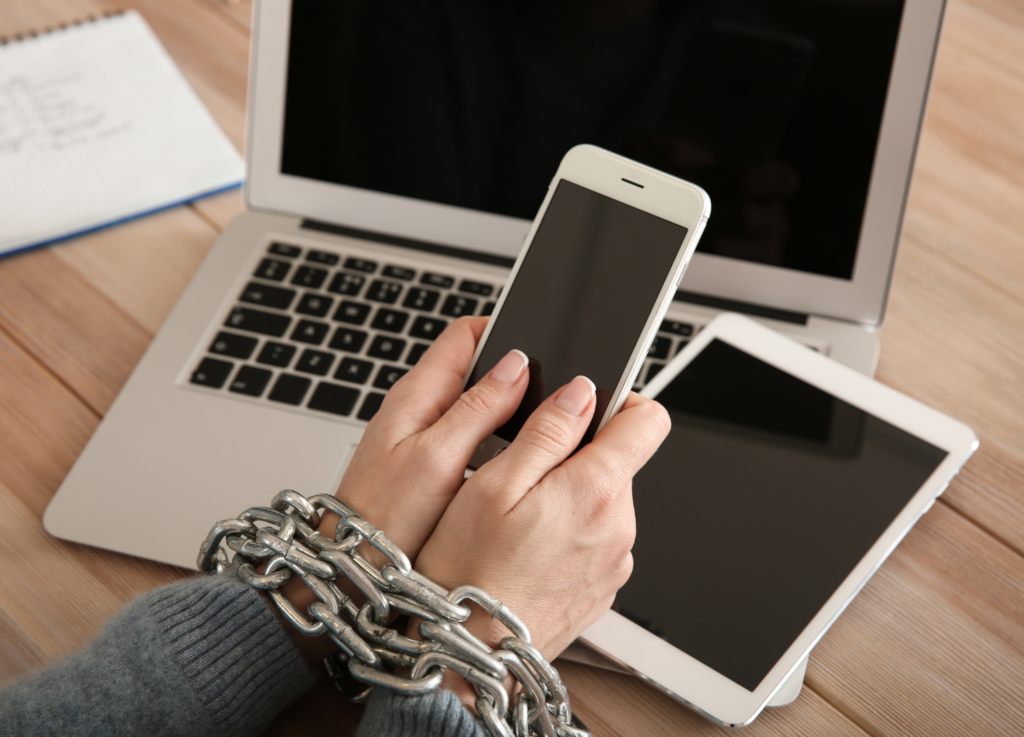
Because our work travels with us in our pocket, many people feel pressure to stay connected from the moment they wake up until the moment they go to bed. The surprising part is that, in many cases, no one actually asked them to. This “always on” culture has largely been created through habits and assumptions. When expectations are unclear, people tend to assume the worst.
The Real Problem: Unspoken Communication Norms
The real issue is that most teams have never actually discussed response-time expectations. Employees often assume their manager needs immediate replies, so they check their phones constantly throughout the day. Managers may appreciate responsiveness, but they also understand that constant interruptions lead to fragmented attention, lower quality work, and mental fatigue.
In many cases, there is a large gap between what employees think their manager expects and what leaders actually do. The result is continuous checking, scattered attention, and a slow build of stress as the day progresses.

Creating Healthy Communication Norms
Healthy teams remove this uncertainty by clearly defining communication expectations. This might include clarifying standard working hours, expected response times during those hours, which communication channels are used for different purposes, and what qualifies as urgent. When these norms are clear, people can focus more deeply on their work, be present with colleagues and family, and recharge outside of the workday.
How Employees Can Start the Conversation
If you’re an employee who feels unsure about communication expectations, it’s completely appropriate to initiate the conversation. In fact, many leaders appreciate when team members proactively seek clarity. A simple way to start might be: “I want to make sure I’m responsive when it matters most while still protecting focused work time. Could we clarify communication expectations for our team?”
From there, you might ask what standard working hours are, what response time is generally expected for emails or messages, and how urgent matters should be communicated.
Often these conversations reveal that leaders don’t expect immediate responses at all. In many cases, we place far more urgency on things than they deserve.
How Leaders Can Set Sustainable Communication Practices
Managers also play a powerful role in shaping communication culture. Leaders can support healthier digital boundaries by clearly defining response expectations, explaining what qualifies as urgent, working within the same norms they establish, and encouraging team members to disconnect outside of work hours.
Sometimes a simple statement can go a long way, such as:
“Unless something is urgent, I don’t expect responses after work hours. We’ll handle it in the morning.”
Why This Matters
Constant phone monitoring keeps the brain in a reactive state. It makes deep work harder, fractures attention, and increases stress. Clear communication norms allow people to step away, focus more deeply, and recharge mentally.
The most effective employees and leaders aren’t the ones who are always connected. They’re the ones who know when to disconnect. Sometimes the healthiest workplace shift is simply having the conversation that defines when communication actually matters.